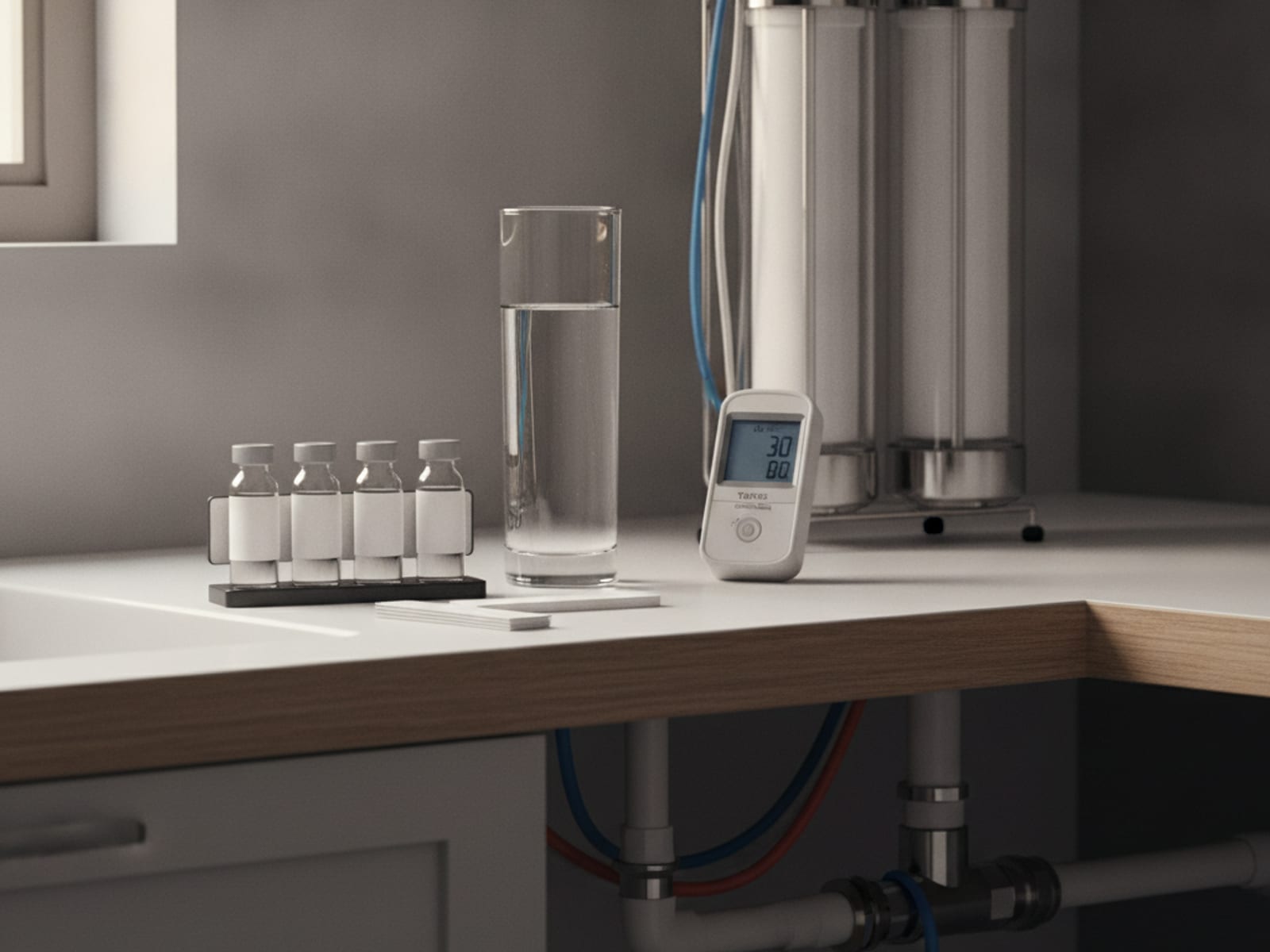
Reverse osmosis is the most reliable method for PFAS removal in San Diego homes, and it’s the only point-of-use technology certified under NSF/ANSI 58 Protocol P473 specifically for PFOA and PFOS reduction. Granular activated carbon can help with some longer-chain PFAS compounds, but it’s less consistent than RO across the full range of chemicals now regulated. For most households, an under-sink RO system sized to your actual water is the practical answer.
What removes PFAS from water?
Two treatment methods have real, tested evidence behind them: reverse osmosis and granular activated carbon (GAC). Everything else, including pitcher filters, boiling, and water softeners, does not reduce PFAS in any meaningful way. Reverse osmosis forces water through a semi-permeable membrane fine enough to block PFAS molecules along with heavy metals, nitrates, and dissolved solids. GAC works by adsorption, where PFAS molecules bind to the carbon surface as water passes through, and it’s more effective on some PFAS compounds than others.
The gap between these two methods matters for pfas removal in San Diego specifically, since the region’s water carries a mix of imported Colorado River supply and State Water Project water, plus chloramine as the disinfectant rather than free chlorine. That combination affects how well carbon performs, since chloramine is harder for standard carbon media to handle than free chlorine.
Does reverse osmosis remove PFAS?
Yes, and it’s the treatment method with the strongest documented track record for PFAS reduction at the tap. NSF International’s standard NSF/ANSI 58 covers RO systems generally, and the P473 addendum is the specific protocol that verifies a system reduces PFOA and PFOS. Not every RO system on the market carries P473 certification, so it’s worth confirming before buying rather than assuming all RO units perform the same.
An RO membrane’s pores are small enough to reject PFAS molecules along with total dissolved solids, nitrates, arsenic, and fluoride. That’s a meaningful advantage over single-purpose filters, since you get broad contaminant reduction in one system rather than needing separate equipment for each concern. If you want the full breakdown on what removes PFAS and why the science supports RO over other methods, see what PFAS are and where they come from for the background.
Is PFAS in San Diego tap water?
PFAS testing has detected trace amounts in some California water supplies, and San Diego’s imported water sources have been part of statewide monitoring under the EPA’s 2024 national drinking water rule. Detected levels in San Diego’s main distribution system have generally run at or near detection limits for most compounds, below the new federal maximum contaminant levels. That said, results vary by source, sampling location, and proximity to industrial sites or facilities that historically used firefighting foam. The only way to know what’s actually in your specific tap water is to test it rather than rely on a system-wide average.
How much does PFAS removal cost in San Diego?
A quality under-sink RO system with PFAS-rated certification typically installs for $300 to $900 in San Diego, depending on the number of filtration stages and your plumbing setup. Ongoing costs run $60 to $150 a year for filter replacements, with the membrane itself replaced every two to five years. Whole-house RO systems, which treat every tap in the home rather than just the kitchen, cost considerably more and are a different category of investment. For most households focused on drinking and cooking water, under-sink RO covers the actual need at a fraction of the whole-house price. A full cost breakdown is in reverse osmosis cost in San Diego.
Which PFAS system is right for my home?
The right system depends on what water you’re actually treating and what your test results show. An under-sink reverse osmosis drinking water system is the standard recommendation for households focused on removing PFAS from the water they drink and cook with. It’s sized for one dedicated faucet, produces a few gallons per hour, and handles PFAS along with the other dissolved contaminants common in San Diego’s imported supply.
For households that want broader coverage across every fixture, a whole house water filtration system paired with point-of-use RO at the kitchen tap covers more ground, though whole-house RO alone is a significantly bigger investment than most homes need for PFAS specifically. The right starting point is always a water test, not a guess based on a neighbor’s setup or a product review online.
At Filter Pros San Diego, we connect homeowners with vetted local water treatment pros and start every recommendation with a free in-home water test that shows your actual PFAS, TDS, and hardness levels, not a county-wide estimate. From there, the pros in our network size a system to what your water actually needs.
Frequently asked questions
Is PFAS in San Diego tap water?
Trace PFAS levels have been detected in some California water supplies, including sources that feed San Diego County, though most reported results in the main distribution system sit at or near detection limits and below the EPA’s 2024 maximum contaminant levels. Levels vary by location, so testing your specific tap is the only way to know for certain.
What is the best way to remove PFAS from water at home?
Reverse osmosis certified to NSF/ANSI 58 Protocol P473 is the most reliable point-of-use method, since it’s specifically tested and verified to reduce PFOA and PFOS. Granular activated carbon can help with some PFAS compounds but is less consistent across the full range now regulated.
How much does PFAS removal cost in San Diego?
Under-sink RO systems with PFAS certification typically run $300 to $900 installed, with annual filter costs of $60 to $150. Whole-house systems cost significantly more and aren’t necessary for most households focused on drinking water alone.
Do pitcher filters remove PFAS?
Most standard pitcher filters, including common activated carbon pitchers, are not certified to reduce PFAS. If PFAS removal matters to you, look for a system specifically certified under NSF/ANSI 58 P473 rather than a general-purpose pitcher.
Does boiling water remove PFAS?
No. Boiling doesn’t break down PFAS compounds and can actually concentrate them slightly as water evaporates. Boiling is effective against biological contaminants, not persistent chemicals like PFAS.
Call (858) 400-6508 to schedule your free in-home water test, or ask about PFAS removal systems for your San Diego home.