Know what's in your water.
Plain-language guides for San Diego homeowners. Learn how to test your water, read your annual quality report, spot hard water damage early, and keep your filtration system working the way it should.
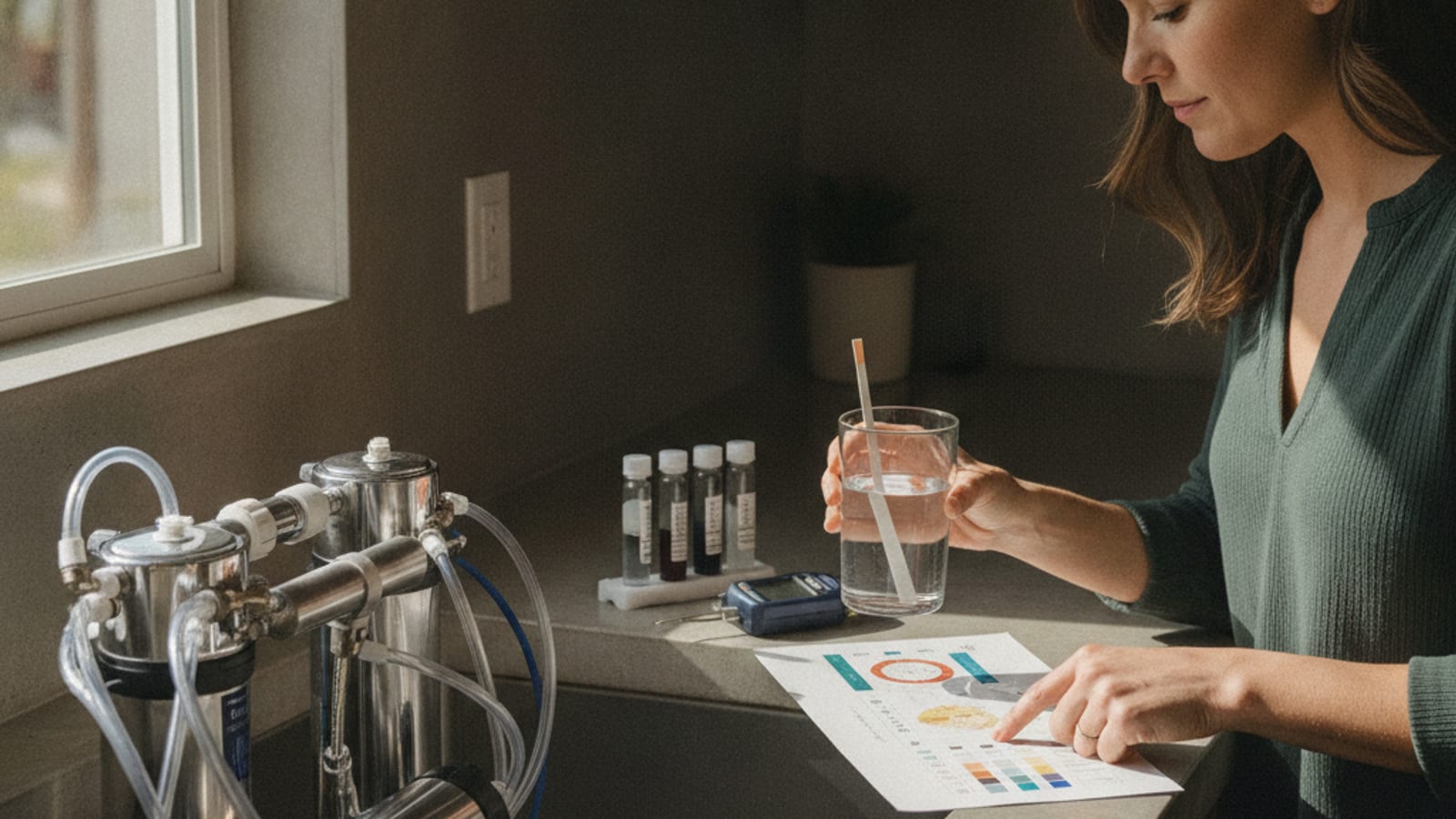
What water quality tasks can you handle yourself?
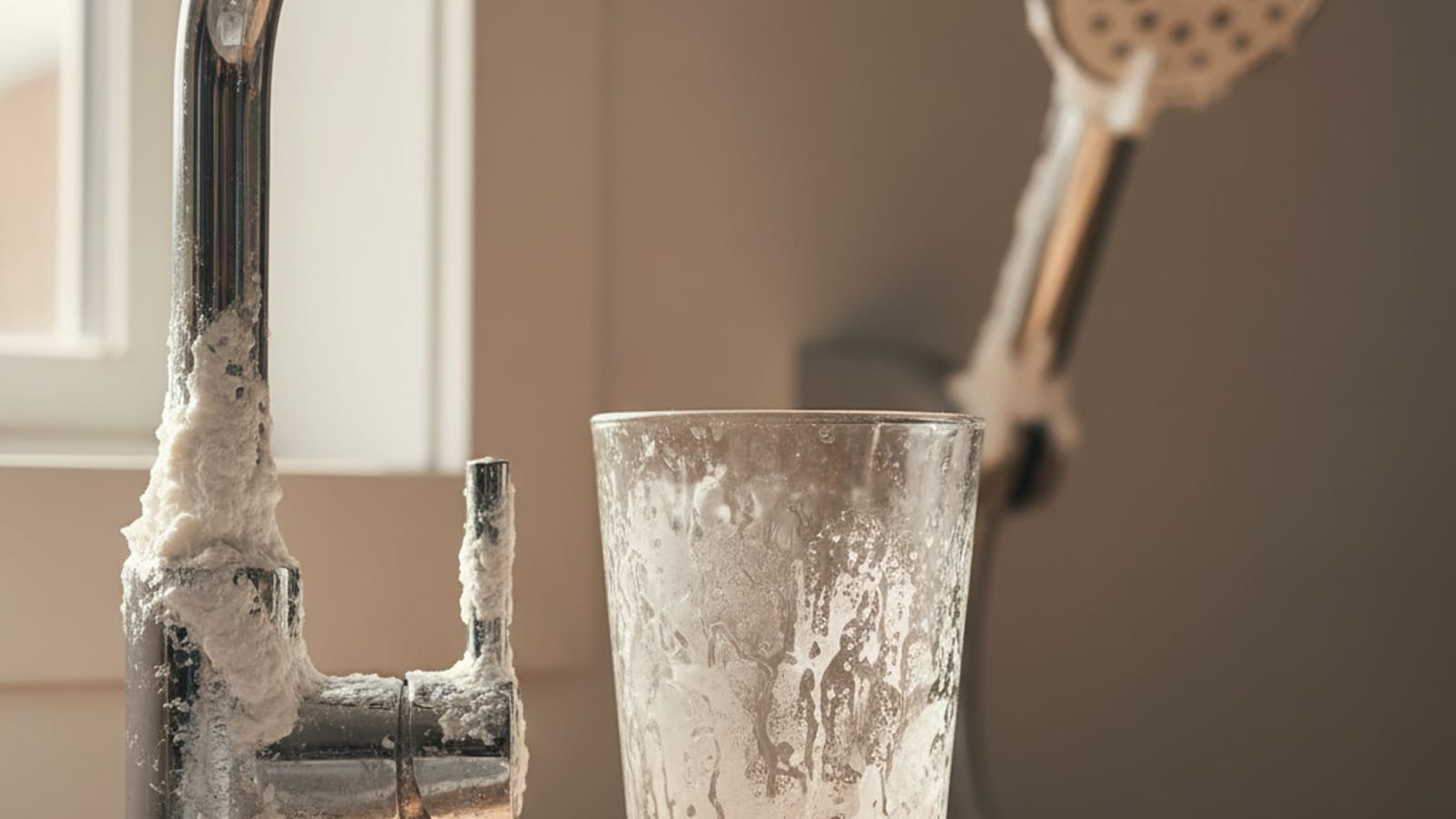
How to spot hard water in your home
Hardness minerals are not obvious from the water's smell or appearance, but scale, spotting, and changes in soap lather can provide useful clues. Those signs can have other causes, so confirm hardness with an appropriate test before choosing treatment.
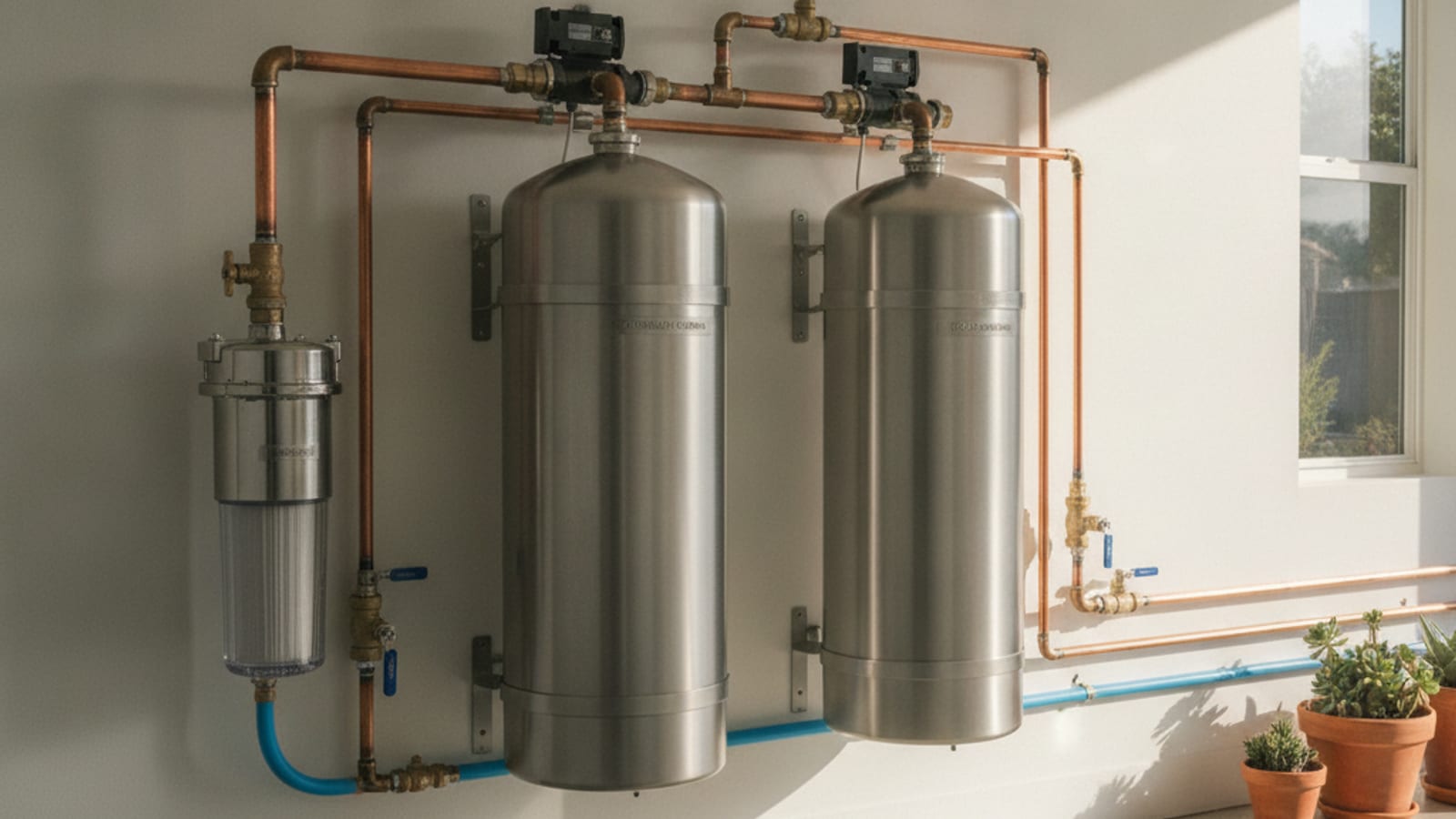
How a whole-house water filtration system works
A point-of-entry water-treatment system is installed on the line serving the home, so the fixtures downstream receive treated water. What it reduces depends on the exact equipment, media, flow conditions, and certified claims. Understanding that scope helps you compare a whole-house system with a point-of-use device at one tap.
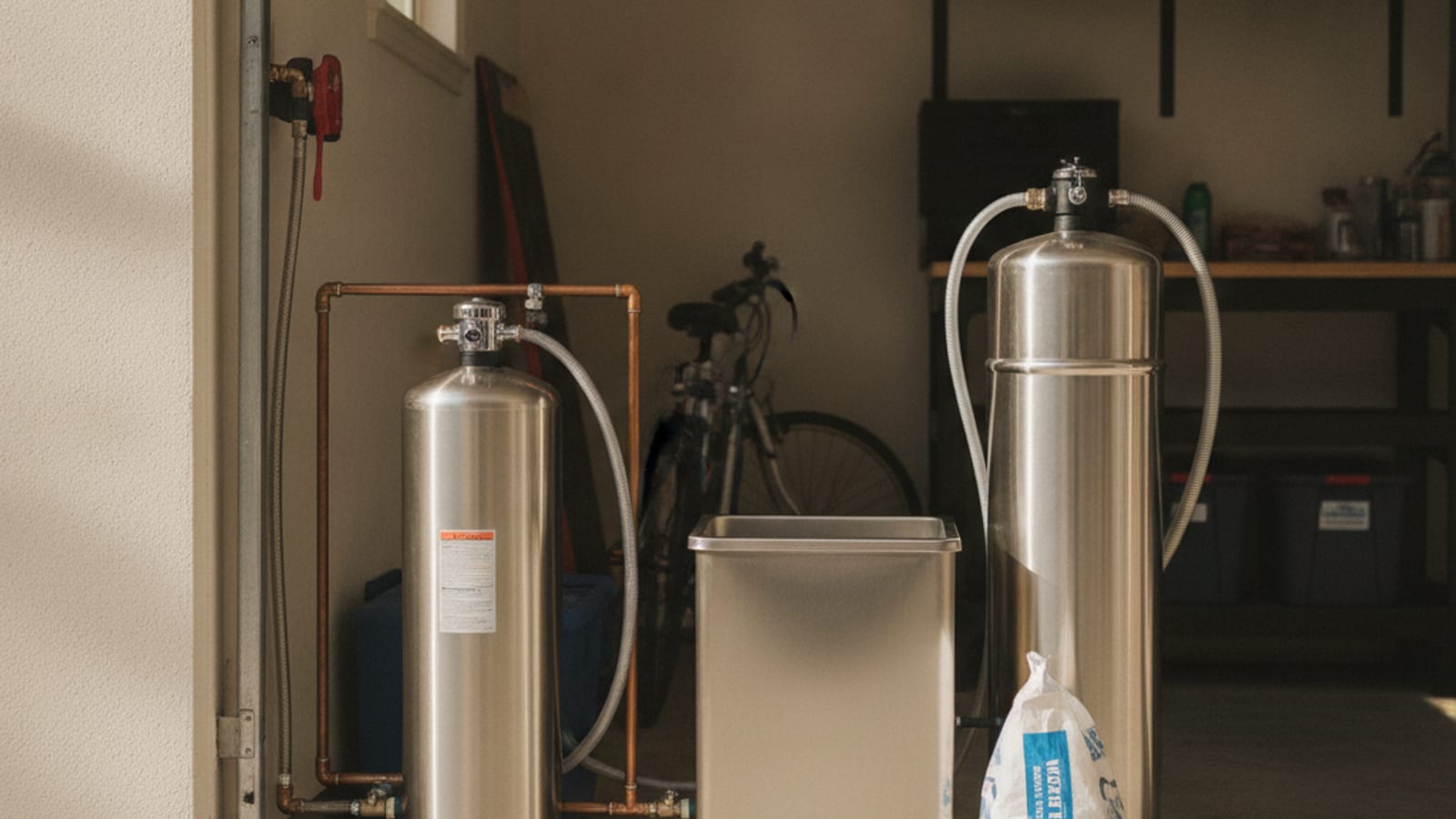
Salt-free conditioner vs salt softener, explained
Ion-exchange softeners and salt-free conditioners address different goals. A softener reduces calcium and magnesium hardness through ion exchange. A salt-free unit does not remove hardness ions, so its value depends on the exact model's scale-reduction claim, the water conditions, and the homeowner's priorities.
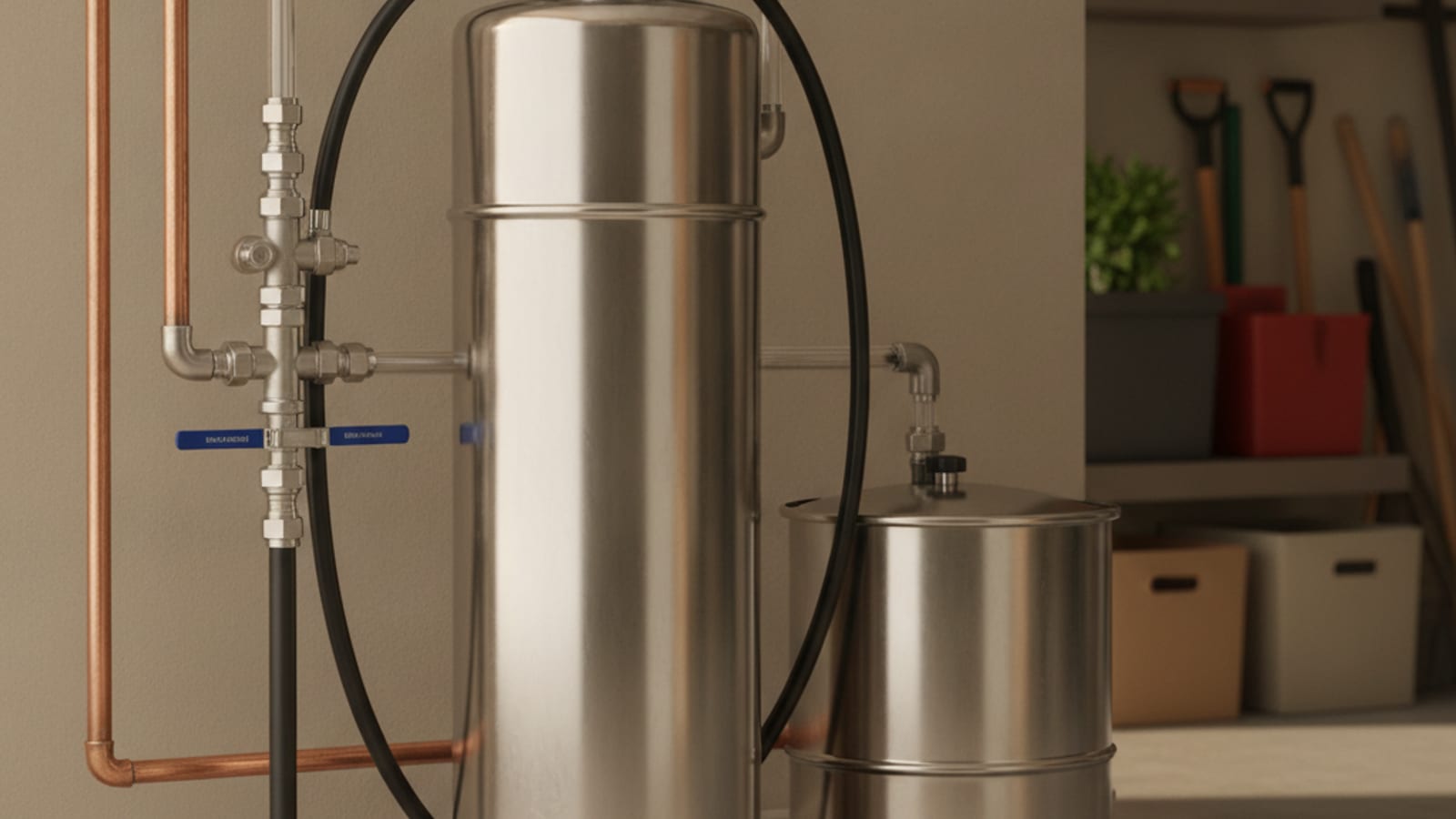
How a water softener works
An ion-exchange water softener reduces calcium and magnesium hardness. Understanding the service and regeneration cycles helps you compare capacity and efficiency and recognize when the measured result no longer matches the setting or expected operation.
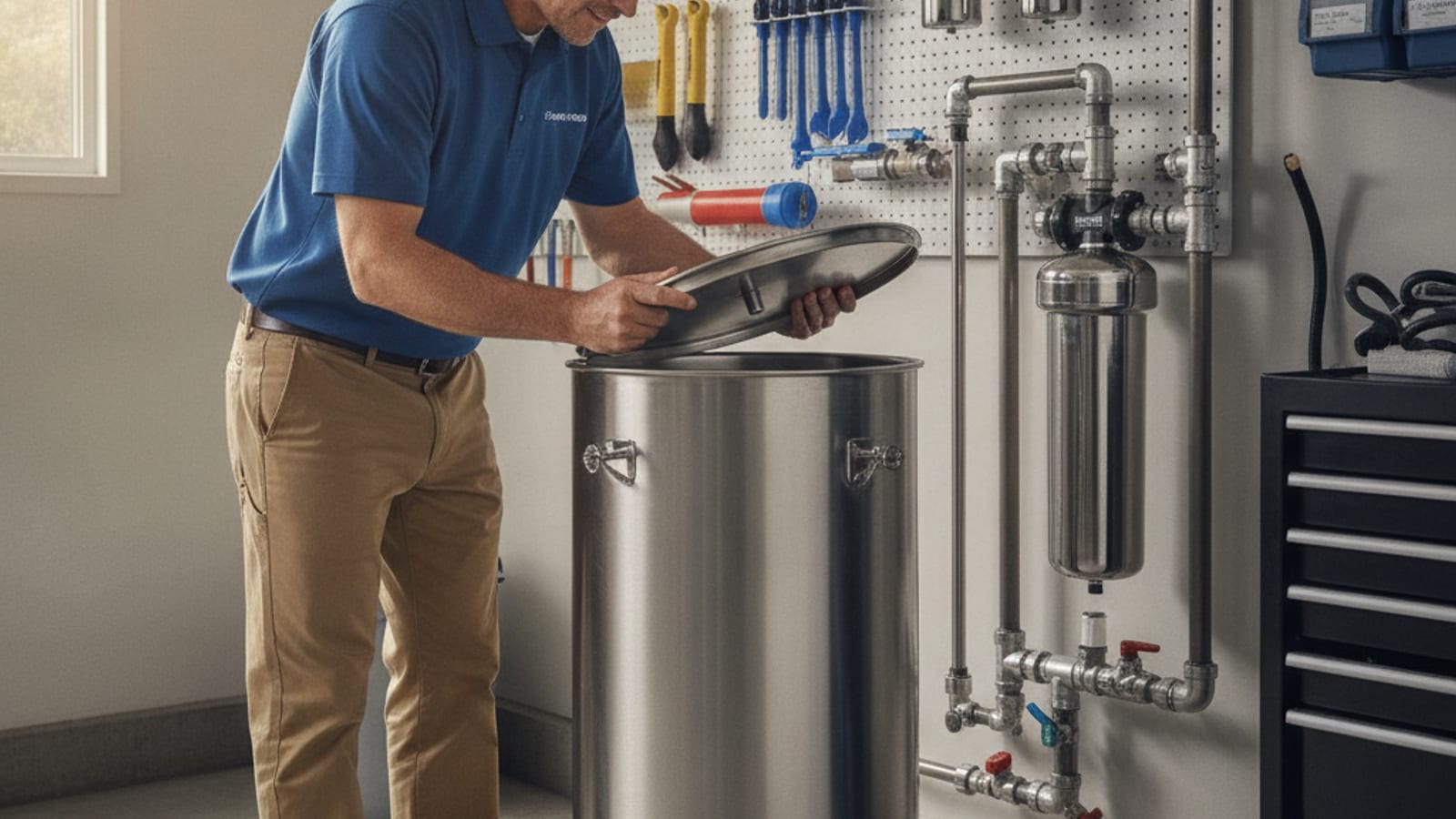
How to maintain a water softener
A water softener's maintenance needs depend on its model, salt or regenerant, water conditions, and use. Regular checks can reveal low salt, bridging, leaks, or unexpected operation, but the manufacturer's manual should set the schedule and procedure.
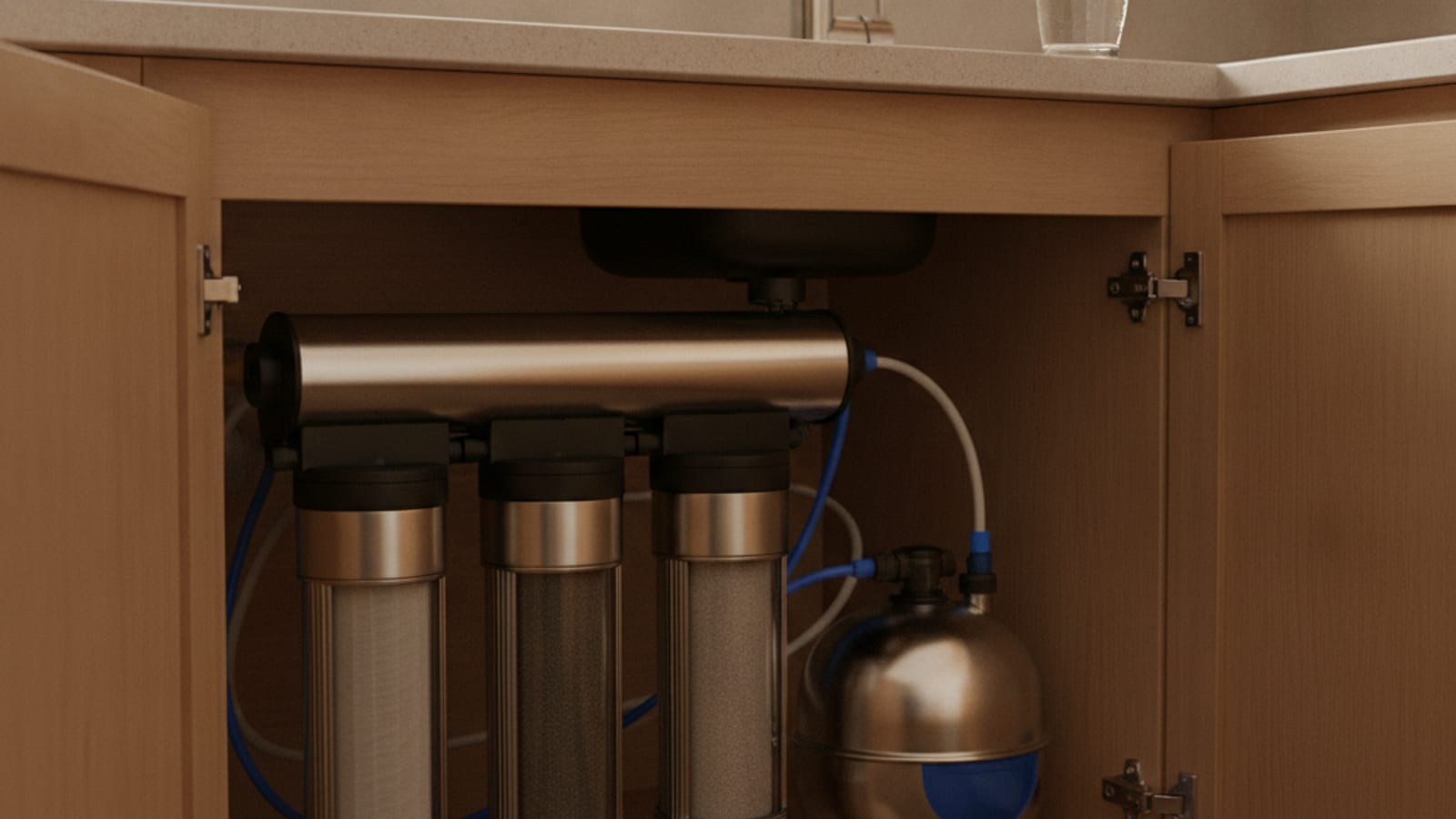
How reverse osmosis drinking water works
A point-of-use reverse-osmosis system uses pressure and a membrane to separate treated water from concentrate sent to a drain. Reduction performance, water efficiency, pretreatment, storage, and maintenance vary by model, so compare the exact certified claims with the concern identified in your water.
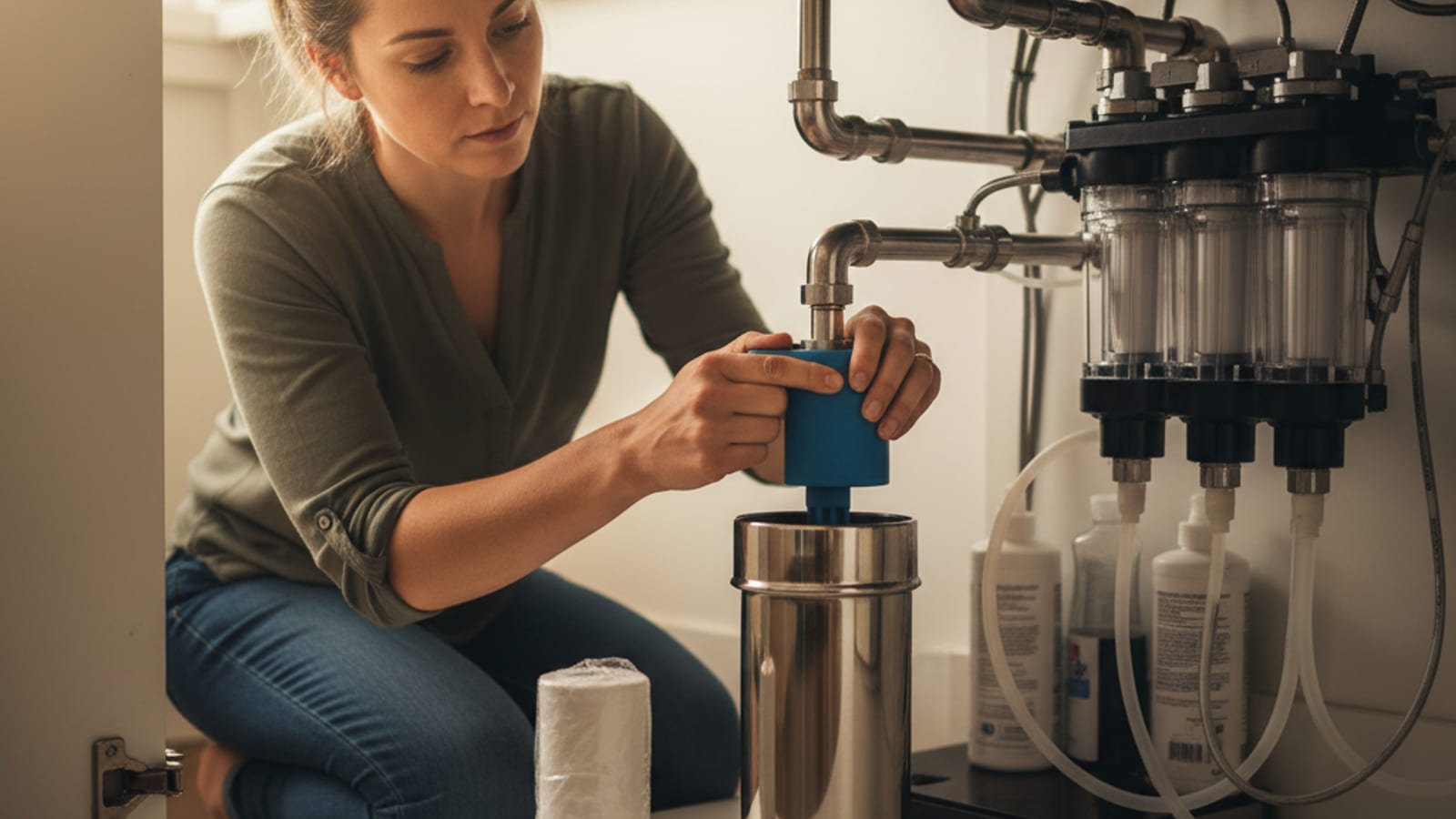
How to replace an under-sink water filter
Start with the system model and its current replacement instructions. Cartridge type, shutoff procedure and flushing requirements differ between housings, twist-lock filters and reverse osmosis systems. A general video helps explain the job, but the manufacturer’s instructions determine the parts and steps for your filter.
Chlorine vs chloramine in your water
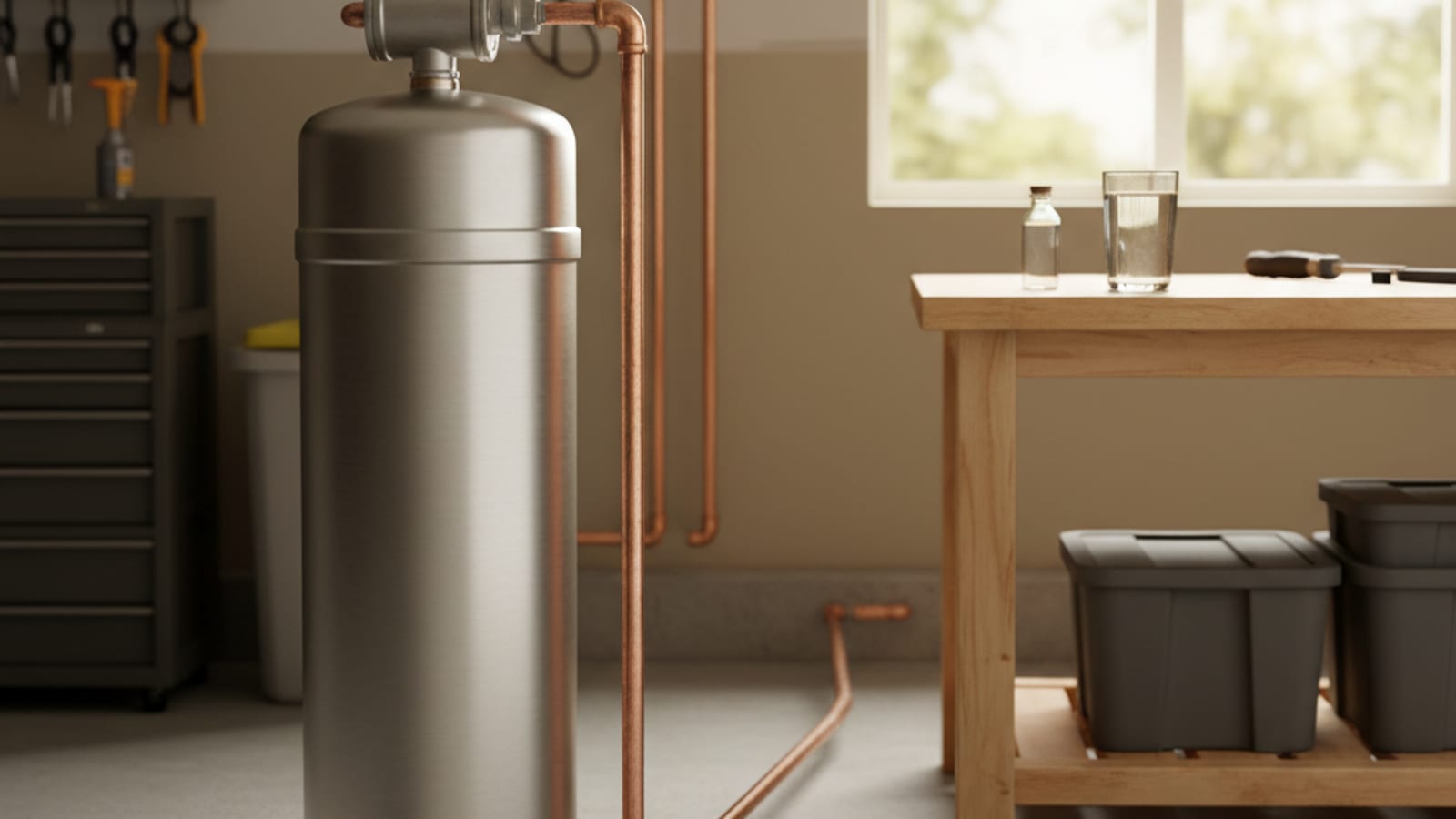
Water utilities may use chlorine or chloramine for disinfection, and the disinfectant can affect taste and smell differently. Because practices can vary by utility and can change operationally, identify the disinfectant in the current report or by contacting the utility serving your address before selecting treatment.
PFAS in drinking water, explained
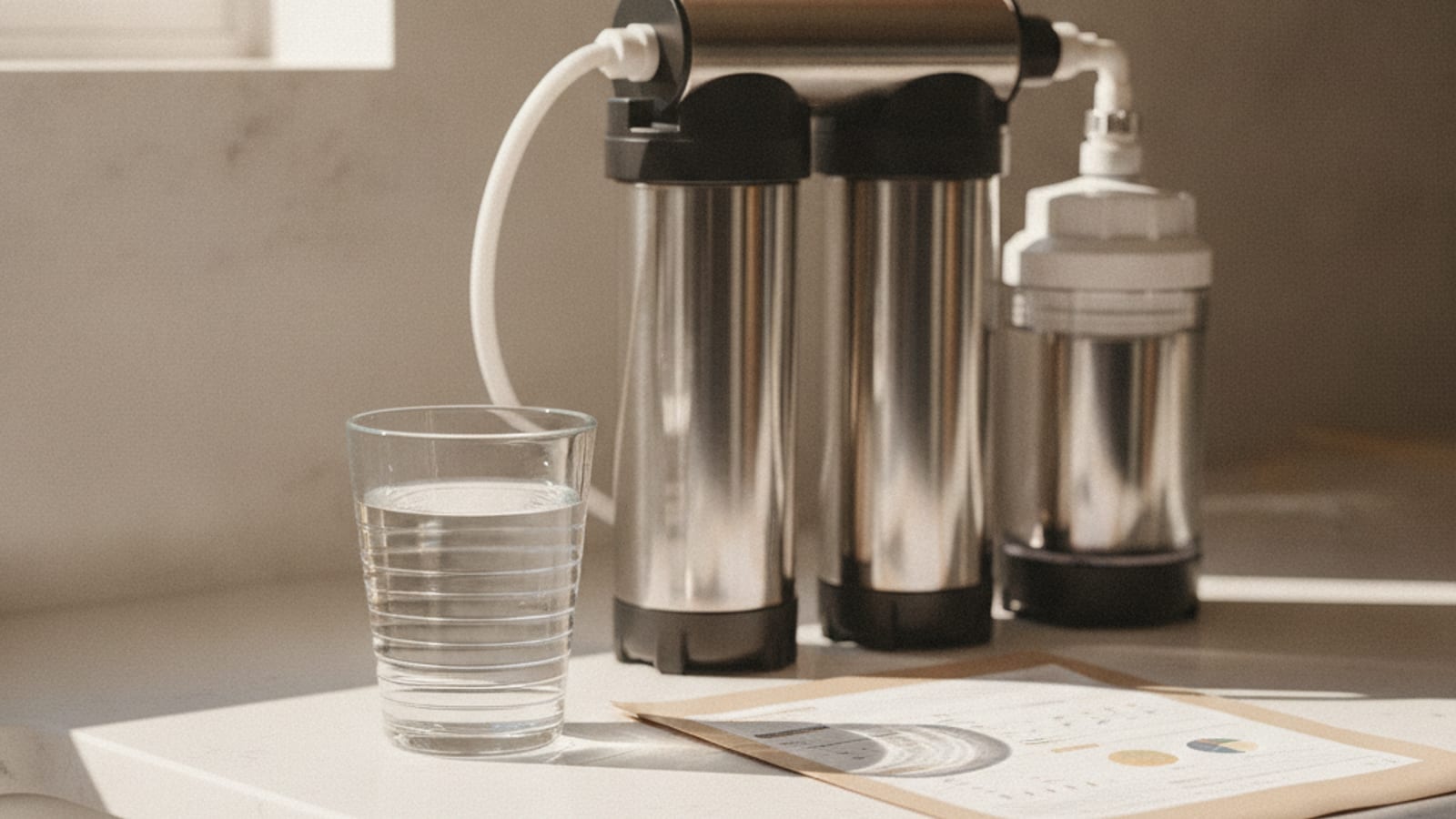
PFAS are a water-quality concern that requires source-specific information and appropriate testing. A clear-looking sample or a general field screen cannot establish whether PFAS are present, and a treatment category alone cannot establish reduction.
When should you stop and call a pro?
Some water problems are past the DIY stage. These are the signs your system may need an assessment. Record the symptoms and equipment model so the provider can investigate the cause.
- Water softener not regenerating or salt not moving
Record the model, settings, salt level and any error code. Have a provider diagnose the cause using the manufacturer’s instructions before replacing parts.
- White scale returning quickly after treatment
Measure hardness at the treated tap and check the equipment’s settings, maintenance and operating condition. Returning deposits alone do not prove the resin needs replacement.
- Foul smell or taste from filtered water
Stop relying on the filter for drinking water if contamination is suspected. Use a safe alternative source and seek appropriate testing and guidance; odor alone does not identify the cause.
- You want to know what's actually in your water
Request the scope of any free field screening before booking. Health-related contaminant questions need appropriate laboratory analysis; a basic screening is not a complete safety assessment.
- Persistent water staining on fixtures despite treatment
Document the stain color and location and test for the suspected cause. Select treatment from the results and the exact equipment’s performance limits.
- Low pressure throughout the house after installing a whole-house filter
Have the installer compare pressure and flow before and after the equipment and check its configuration and maintenance. Do not choose replacement equipment from the symptom alone.
What external water quality resources are worth reading?
San Diego County Water Authority Water Quality Reports
Annual CCR water quality reports for all San Diego County water agencies.
City of San Diego Public UtilitiesCity of San Diego Water Quality Report
Consumer Confidence Report for City of San Diego tap water customers.
U.S. Environmental Protection AgencyEPA Drinking Water Contaminant Information
Official EPA database of regulated drinking water contaminants and health effects.
Water Quality AssociationWQA Water Quality Glossary
Plain-language definitions of water treatment terms from the Water Quality Association.
Want a pro to test your water for free?
Call (858) 400-6508 to request a free in-home screening through an independent provider. Confirm the measurements included; laboratory analysis and other services may have separate charges.