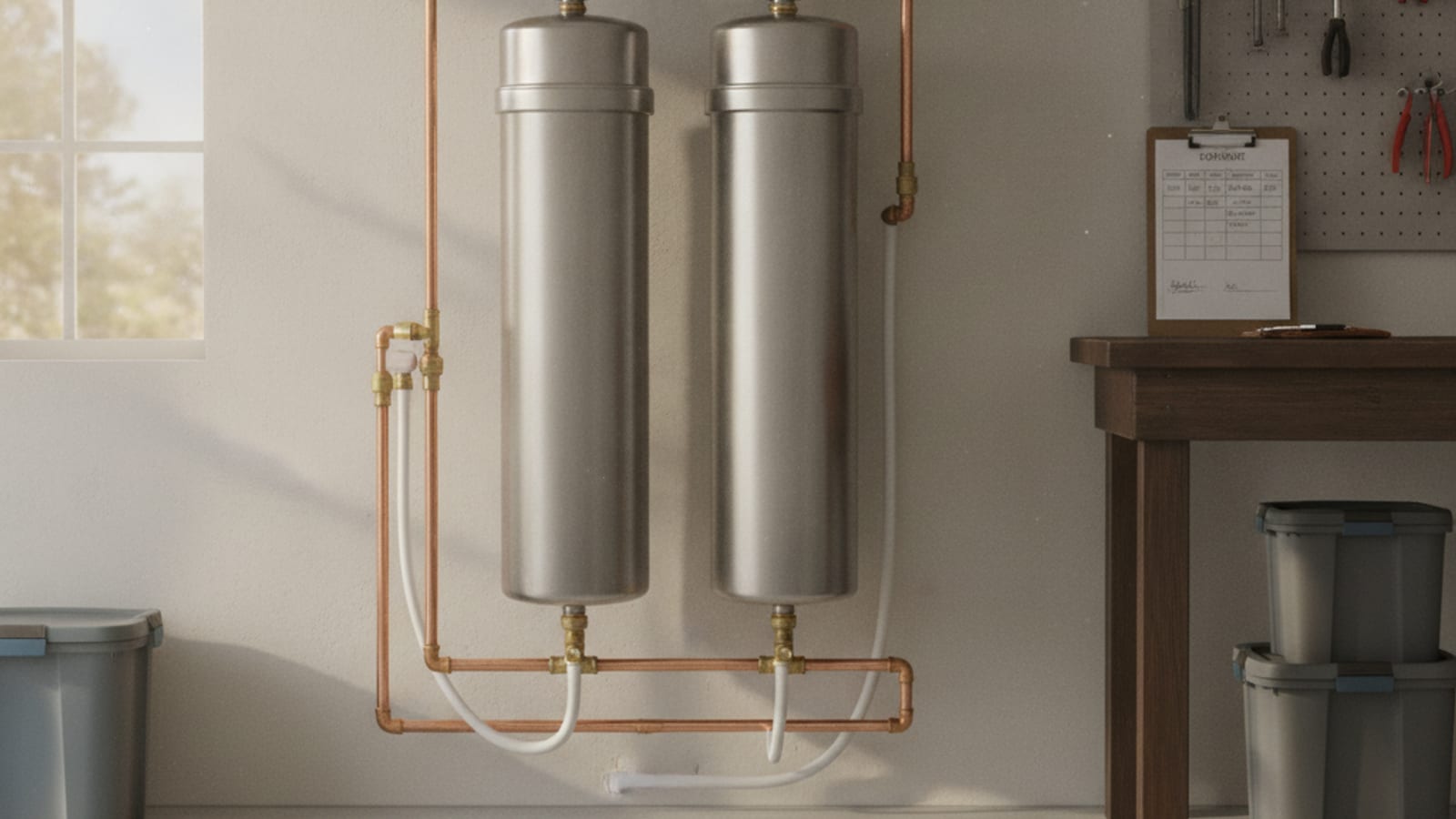
Most homeowners find out a water softener needs a permit the hard way, either when a home inspector flags an unpermitted install during a sale, or when a plumber shows up and asks where the paperwork is. San Diego County treats a softener install as plumbing work, which means a permit is usually part of the job, not an optional extra.
Does installing a water softener require a permit in San Diego?
In most San Diego jurisdictions, yes. A water softener or whole-house treatment system ties into your home’s plumbing and typically needs a drain line for backwash or brine discharge, which puts it under plumbing permit rules rather than a simple appliance swap. Most cities and the county process these as “No-Plan” plumbing permits, the same simplified category used for water heater replacements and similar fixture-level work that doesn’t require submitted drawings.
Permit fees for this category commonly run $150 to $300, depending on the jurisdiction and whether any additional plumbing modifications are involved. That’s a real number, but it’s not a universal rule carved in stone. Some straightforward like-for-like swaps, replacing an existing softener with a new unit on the exact same connections, may not trigger a new permit requirement in every jurisdiction. The only way to know for certain is to check with the building department that has authority over your specific address.
Why does a small appliance need a permit at all
A permit exists to confirm two things an inspector actually checks: proper drain line routing for the brine discharge, and backflow protection so treated water or brine can never siphon back into your home’s potable supply. Both matter more than they sound. A softener drain line installed without the right air gap can violate plumbing code and create a cross-connection risk, and that’s exactly the kind of thing that gets caught, and cited, during a home sale inspection years later.
This is also where hiring a licensed installer pays off beyond the labor itself. A licensed plumber typically pulls the permit as part of the job, schedules the inspection, and makes sure the install passes the first time. If you’re doing a DIY install or hiring an unlicensed handyman to save money, that permit responsibility falls on you, and skipping it is the kind of shortcut that surfaces at the worst possible moment, like escrow.
What a typical permit and install actually covers
Beyond the base permit fee, keep an eye on brine drain line compliance. If your existing laundry standpipe or utility sink drain doesn’t already meet code for an air gap connection, bringing it up to standard commonly adds another $100 to $250 to the job. It’s not a hidden fee so much as a real-world reality of older San Diego homes, especially anything built before current plumbing code editions took effect.
A typical timeline looks like this: the installer pulls the permit, completes the install, usually a half day for a straightforward swap, schedules the city or county inspection, and the inspector signs off on the drain line and backflow protection. From start to signed-off permit, most straightforward jobs wrap within a week or two, depending on how backed up your local inspection department is.
City of San Diego vs. the county vs. individual cities: how to check your jurisdiction
This is where things get genuinely confusing, because “San Diego” isn’t one building department. If your property sits within the City of San Diego, permits run through the City’s Development Services Department. If you’re in an unincorporated area, permits go through San Diego County’s Planning & Development Services. And if you live in one of the county’s other incorporated cities, Chula Vista, Escondido, Oceanside, Poway, and the rest, each one runs its own building department with its own fee schedule and sometimes its own quirks about what triggers a permit.
The fastest way to get a real answer: call your city or county’s building permit counter directly and describe the job, replacing or installing a water softener with a new drain connection. Most departments can tell you over the phone whether your specific scenario needs a permit and what the fee will run. If you’re working with a licensed installer, ask them upfront whether permit pulling and inspection scheduling are included in their quote, since some contractors build it in and others treat it as a separate line item.
Frequently asked questions
Do I need a permit to replace an old softener with a new one? Often yes, though some jurisdictions waive it for an exact like-for-like swap on existing connections. Confirm with your local building department before assuming either way.
How much does a water softener permit cost in San Diego? Most “No-Plan” plumbing permits for a softener install run $150 to $300, plus $100 to $250 more if your drain line needs air gap work to meet current code. Exact fees vary by jurisdiction.
Who pulls the permit, me or the installer? A licensed plumber typically handles the permit application and inspection scheduling as part of the install. If you’re doing the work yourself or hiring an unlicensed installer, that responsibility is yours.
What happens if I skip the permit? An unpermitted softener install can surface during a home sale inspection, cause issues with insurance claims tied to water damage, and in some cases require the work to be redone under permit before a sale can close. It’s a cheap problem to avoid and an expensive one to fix later.
Does a permit affect resale or homeowners insurance? It can. Buyers and their inspectors increasingly check for permitted work on major plumbing systems, and an unpermitted install can become a negotiating point or a repair condition during escrow.
Skip the guesswork on permits and pricing
If you’d rather not spend an afternoon on hold with a building department, ask up front whether permitting is included in your quote and who is responsible for pulling it. Start with a free in-home water test to confirm what your water actually needs, then see the full water softener installation process. Curious what a full install runs before permits and add-ons? Our water softener cost in San Diego breakdown covers that, and if you’re wondering whether local rules restrict certain softener types, read are salt-based water softeners restricted in San Diego. Call us at (858) 400-6508 and we’ll walk you through what your address is likely to require, then point you to the building department that has the final say.